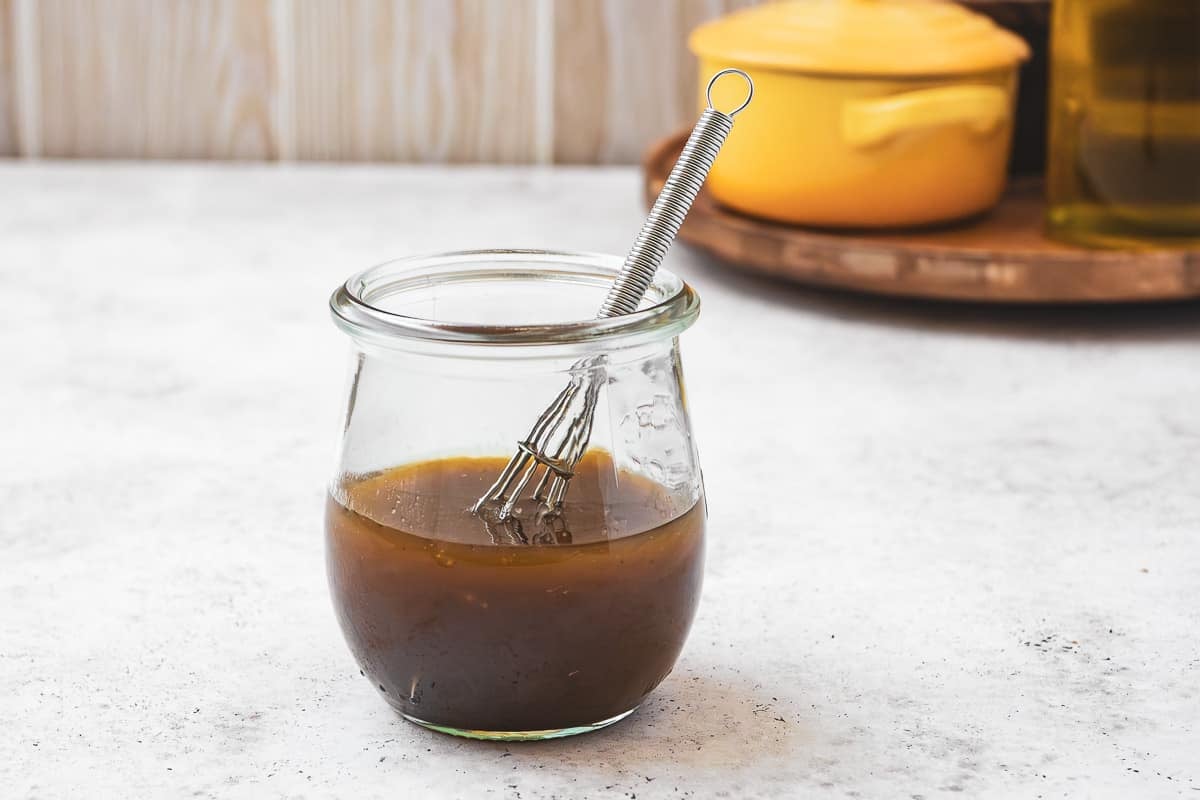
Secrets to a Balanced Balsamic Vinaigrette: Sweet, Tangy, & Versatile
In the culinary world, few dressings boast the universal appeal and sheer versatility of a well-crafted
balsamic vinaigrette. It's the little black dress of the kitchen – always appropriate, effortlessly elegant, and capable of elevating an ordinary dish into something extraordinary. While the convenience of store-bought options can be tempting, the truth is, nothing compares to the vibrant, fresh, and perfectly balanced flavors of a homemade version. Ditching the commercial bottles not only puts you in control of every ingredient but also unlocks a world of taste that's often dulled by preservatives and excessive sugars found in packaged dressings.
Imagine a dressing that strikes an impeccable chord between the deep, fruity tang of aged balsamic vinegar and a subtle, natural sweetness, all rounded out by the smooth richness of olive oil. That's the promise of a homemade
balsamic vinaigrette, and it’s surprisingly simple to achieve. This article will guide you through the essentials, offering insights and tips to master this kitchen staple, transforming it from a mere condiment into a culinary secret weapon. If you're curious about why making your own is a game-changer, dive deeper into
Why Homemade Balsamic Vinaigrette Outshines Store-Bought.
The Allure of Homemade Balsamic Vinaigrette: Beyond the Bottle
The journey from store-bought to homemade
balsamic vinaigrette is a revelatory one. Many commercial dressings, while convenient, often miss the mark on flavor balance, tending to be overly sweet, too acidic, or surprisingly bland. They frequently contain added sugars, unhealthy oils, and artificial stabilizers that detract from the natural goodness of a true vinaigrette.
Crafting your own at home means you get to handpick every component, ensuring the highest quality and freshest taste. This control extends beyond just flavor; it allows you to avoid unwanted additives and tailor the dressing precisely to your dietary needs and taste preferences. With just a handful of pantry staples – typically around seven simple ingredients – you can create a dressing that not only tastes a million times better but also offers a level of freshness and vibrancy that pre-made options simply can't replicate. The process is quick, often taking less than five minutes, and the resulting dressing offers a bold, tangy, and sweet profile that enhances salads, marinades, and much more.
Decoding the Perfect Balance: Sweet, Tangy, and Rich
The magic of an exceptional
balsamic vinaigrette lies in its harmonious balance – a delicate dance between sweetness and acidity, tempered by the richness of oil and brightened by aromatic accents. Understanding the role of each ingredient is key to achieving this culinary equilibrium.
*
The Balsamic Vinegar: The Tangy Heart
At its core, a good balsamic vinegar provides the signature tang and depth. Not all balsamic vinegars are created equal. High-quality balsamic, often aged, will be thicker, sweeter, and possess a more complex flavor profile with notes of fig, molasses, and cherry. While you don't necessarily need the most expensive aged balsamic for everyday dressing, investing in a decent quality one will profoundly impact your vinaigrette. Cheaper balsamic can be overly acidic and thin, requiring more sweetener to balance.
*
The Olive Oil: The Silky Foundation
Extra virgin olive oil (EVOO) forms the rich, smooth foundation of your vinaigrette. Its fruity, sometimes peppery notes complement the balsamic beautifully. The quality of your olive oil matters significantly here; a robust, flavorful EVOO will lend a desirable richness and mouthfeel, preventing the dressing from feeling too thin or watery. Aim for a cold-pressed, high-quality olive oil for the best results.
*
The Sweetener: The Balancing Act
Honey is a classic choice, offering a natural sweetness that beautifully mellows the balsamic's acidity while adding a subtle floral note. Maple syrup is an excellent vegan alternative that provides similar balancing qualities. The amount of sweetener is adjustable – start with a little and add more to taste until you achieve your desired sweet-tangy equilibrium.
*
The Emulsifiers: Flavor & Structure
Dijon mustard is a cornerstone ingredient, serving a dual purpose. Its piquant flavor adds a subtle zing, while its natural emulsifying properties help bind the oil and vinegar together, preventing them from quickly separating. A small amount of minced garlic or garlic powder further enhances the savory notes, contributing a pungent warmth.
*
The Seasoning: The Finishing Touch
A pinch of sea salt and freshly cracked black pepper are indispensable. They don't just add saltiness and heat; they awaken and amplify all the other flavors, bringing the entire dressing into sharper focus.
A common starting point for a well-balanced vinaigrette is the 3:1 ratio of oil to vinegar. However, this is merely a guideline. Personal preference, the intensity of your balsamic, and the dish you're pairing it with can all influence your ideal ratio. Don't be afraid to taste and adjust – perhaps a 2:1 for a bolder, tangier dressing or a 4:1 for a milder, richer one.
Mastering the Art of Emulsification: Three Simple Methods
Emulsification is the secret to a smooth, cohesive
balsamic vinaigrette that doesn't immediately separate into distinct layers of oil and vinegar. As mentioned, ingredients like Dijon mustard and honey act as natural emulsifiers, helping the oil and vinegar molecules to suspend evenly. There are three primary methods to achieve this, each offering varying degrees of stability and convenience. For a deeper dive into these techniques, check out
Mastering Balsamic Vinaigrette: 3 Easy Methods, 7 Simple Ingredients.
1.
Blended for Silky Smoothness: The Immersion Blender Advantage
This method is perhaps the most efficient for creating a thick, stable, and almost creamy vinaigrette that holds together longer in the refrigerator.
*
Process: Combine all ingredients in a small blender or, even better, use an immersion blender directly in a jar or cup. Blend on high speed until the mixture is completely smooth and emulsified, typically for 30-60 seconds.
*
Tip: Blending slowly at first and gradually increasing speed can help. The sheer force of the blender breaks down the oil into tiny droplets that are then suspended within the vinegar, stabilized by the mustard and honey.
2.
Shaken in a Jar: The Quick & Convenient Choice
When time is of the essence, the jar method is your best friend. It’s incredibly fast and requires minimal cleanup.
*
Process: Add all your ingredients to a mason jar or any container with a tight-fitting lid. Seal the lid securely and shake vigorously for about 30 seconds to a minute, or until the mixture appears homogenous.
*
Tip: Using room temperature ingredients can aid in emulsification, making it easier for the oil and vinegar to combine. If your vinaigrette separates after refrigeration, a quick shake before serving is usually all it needs.
3.
Whisked in a Bowl: The Classic, Hands-On Approach
This traditional method requires a little more elbow grease but is perfectly effective if you don't have a blender or jar handy.
*
Process: In a mixing bowl, combine the balsamic vinegar, Dijon mustard, honey, garlic, salt, and pepper. Begin whisking these ingredients together. Then, *slowly* drizzle in the olive oil in a thin, steady stream while continuously whisking vigorously. The slow addition of oil is crucial for a successful emulsion.
*
Tip: This method benefits from using a stable bowl on a non-slip mat to free up one hand for drizzling. Keep whisking until the dressing is smooth and well combined.
Regardless of the method you choose, your homemade
balsamic vinaigrette will last beautifully in an airtight container in the refrigerator for 1-2 weeks. Always give it a good shake or whisk before each use.
Beyond Salads: Versatile Uses for Your Homemade Balsamic Vinaigrette
While
balsamic vinaigrette is undeniably the star of many salads, its capabilities stretch far beyond flavoring leafy greens. Its complex profile of sweet, tangy, and savory makes it an incredibly versatile component in countless dishes, transforming everyday meals into culinary delights.
*
The Ultimate Salad Enhancer: Naturally, its primary role. It pairs exquisitely with creamy cheeses like feta, goat cheese, fresh mozzarella, or shaved Parmesan, adding a tangy counterpoint. It also complements fresh fruits such as strawberries, pears, apples, and grapes, balancing their sweetness. Toasted nuts like walnuts, pecans, and almonds benefit from the vinaigrette's acidity, which cuts through their richness. Try it with a classic Caprese salad, a spinach and strawberry salad, or even a hearty grain salad.
*
Fantastic Marinade: The acidity of balsamic vinegar makes it an excellent tenderizer and flavor infuser for proteins. Use it to marinate chicken, fish, pork tenderloin, or steak before grilling, roasting, or pan-frying. It imparts a wonderful depth of flavor, creating a delicious crust when cooked.
*
Roasted Vegetable Booster: Drizzle your homemade
balsamic vinaigrette over vegetables like Brussels sprouts, asparagus, bell peppers, zucchini, or root vegetables before roasting. It caramelizes beautifully in the oven, enhancing their natural sweetness and adding a vibrant tang.
*
Dipping Sauce Extraordinaire: Serve it alongside crusty bread as an elegant appetizer. The rich flavors mingle beautifully with olive oil, creating an irresistible dip.
*
Flavorful Sandwich & Wrap Spread: Skip the mayonnaise and add a dash of vinaigrette to your sandwiches and wraps for a lighter, more sophisticated flavor. It's particularly good with grilled vegetables or cold cuts.
*
Bruschetta Topping: Instead of plain balsamic glaze, spoon a little of your vinaigrette over toasted bread topped with fresh tomatoes, basil, and mozzarella for an elevated bruschetta.
*
Grain Bowl & Pasta Salad Dressing: Elevate simple grain bowls or pasta salads with a generous drizzle. It binds the ingredients together and infuses every bite with vibrant flavor.
Experimenting with this versatile dressing opens up a world of culinary possibilities. For heartier applications like marinades, you might opt for a slightly thicker vinaigrette, perhaps by reducing the oil-to-vinegar ratio or adding a touch more honey for viscosity. For delicate greens, a lighter dressing is often preferred.
Conclusion
Making your own
balsamic vinaigrette is more than just a recipe; it's an investment in flavor, quality, and culinary independence. With simple ingredients and minimal effort, you can create a dressing that not only far surpasses anything you'd find in a bottle but also offers unparalleled versatility in your kitchen. From crisp green salads to robust marinades and roasted vegetables, a perfectly balanced homemade balsamic vinaigrette is a secret weapon that empowers you to add a touch of gourmet flair to every meal. So, reclaim your kitchen, grab your balsamic, and get ready to experience the delightful difference of truly homemade goodness.