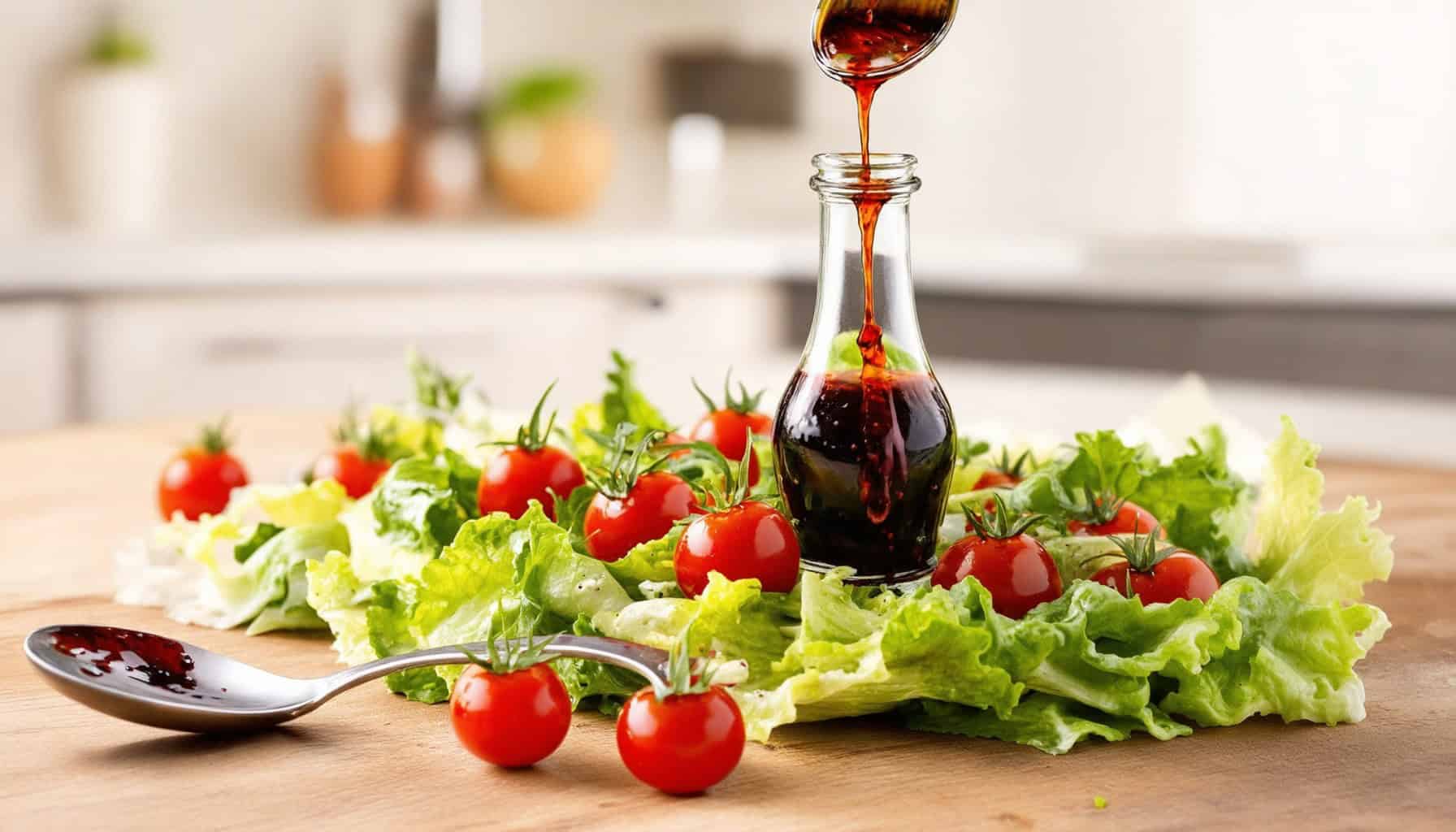
Mastering Balsamic Vinaigrette: 3 Easy Methods, 7 Simple Ingredients
In the vast culinary landscape, few dressings hold a place as cherished and versatile as balsamic vinaigrette. Its delightful balance of sweet and tangy, coupled with its rich aroma, makes it a perennial favorite for salads, marinades, and so much more. While store shelves are brimming with countless options, the truth is that crafting your own homemade balsamic vinaigrette is not only incredibly simple but also yields a flavor profile that store-bought versions simply can't match. Imagine a dressing made with just seven everyday ingredients, coming together in mere minutes to elevate any meal. It’s a game-changer for anyone looking to add a gourmet touch without the fuss.
Why Homemade Balsamic Vinaigrette Reigns Supreme
The allure of a bottle of ready-made dressing is undeniable for its convenience. However, once you experience the vibrant, fresh taste of homemade balsamic vinaigrette, there’s no turning back. The difference is profound, much like comparing a fresh-baked loaf of bread to a packaged one. Store-bought dressings often contain artificial preservatives, excessive sugars, and lower-quality oils, all of which detract from the authentic flavor and nutritional value. When you make it yourself, you control every single ingredient, ensuring a healthier, fresher, and incomparably more delicious product.
One of the primary advantages is the ability to customize the flavor. Do you prefer it a little sweeter? Add more honey. Craving extra tang? A touch more balsamic vinegar will do the trick. This level of control is impossible with pre-bottled options. Furthermore, the quality of your ingredients truly shines through. Using a good quality olive oil and a rich, aged balsamic vinegar can transform your vinaigrette from ordinary to extraordinary, lending a depth of flavor that is both complex and incredibly satisfying. The economic benefit is also significant; homemade versions are typically far more cost-effective in the long run than repeatedly purchasing commercial bottles. Discover more about this transformation and why it's worth the minimal effort in our detailed article: Why Homemade Balsamic Vinaigrette Outshines Store-Bought.
The 7 Simple Ingredients for Your Perfect Balsamic Vinaigrette
The magic of a great balsamic vinaigrette lies not in a long list of exotic items, but in the harmony of a few foundational ingredients. With just seven staples, you can create a dressing that is perfectly balanced and bursting with flavor. Here’s what you’ll need:
- Balsamic Vinegar: This is the star of the show. Invest in a good quality balsamic vinegar, ideally one from Modena, Italy. The better the vinegar, the richer and more nuanced your vinaigrette will be. A quality balsamic offers a beautiful balance of acidity and natural sweetness, avoiding the harsh bitterness often found in cheaper alternatives.
- Extra Virgin Olive Oil: The backbone of any vinaigrette. Choose a high-quality extra virgin olive oil with a fruity, peppery, or buttery flavor that you enjoy. The general ratio for a classic vinaigrette is three parts oil to one part vinegar, but this can be adjusted to your preference for richness.
- Dijon Mustard: Far more than just a flavor enhancer, Dijon mustard is a crucial emulsifier. Its natural properties help to bind the oil and vinegar together, preventing them from separating too quickly. It also adds a subtle piquancy that complements the tang of the balsamic beautifully. Both smooth and grainy Dijon varieties work well, with grainy offering a touch of texture.
- Honey (or Maple Syrup): To counteract the acidity of the balsamic vinegar and round out the flavors, a touch of sweetness is essential. Honey provides a lovely floral note, while maple syrup offers a slightly different, earthy sweetness, making it a great vegan alternative. Both also act as secondary emulsifiers.
- Fresh Garlic: Minced garlic adds an irresistible aromatic depth and a gentle bite. Fresh is always best here; avoid garlic powder for this recipe to ensure maximum flavor impact.
- Salt: Essential for seasoning and bringing all the flavors into focus. Fine sea salt or kosher salt works perfectly.
- Freshly Ground Black Pepper: A final flourish of spice and aroma. Always opt for freshly ground for the best results.
These seven ingredients, when combined thoughtfully, create a symphony of sweet, tangy, and savory notes. Mastering the balance between them is key to a truly exceptional dressing. For more insights on achieving this perfect equilibrium, delve into our guide on Secrets to a Balanced Balsamic Vinaigrette: Sweet, Tangy, & Versatile.
Mastering the Craft: 3 Easy Methods to Make Balsamic Vinaigrette
One of the beauties of homemade balsamic vinaigrette is its simplicity, no matter your preferred method. Whether you're a kitchen novice or a seasoned chef, you can whip up a batch in under five minutes. The key difference between the methods often comes down to the desired texture and stability of the emulsion.
The Blended Method (For a Silky, Stable Dressing)
This method is arguably the most efficient for achieving a consistently smooth, thick, and stable emulsion that resists separation, even after refrigeration. It's often favored for its "set it and forget it" ease.
- Combine Ingredients: Add all seven ingredients (balsamic vinegar, olive oil, Dijon mustard, honey, minced garlic, salt, and pepper) into a small blender. If you’re using an immersion blender, a jar or tall cup works perfectly.
- Blend Until Silky: Blend on high speed for about 30-60 seconds, or until the mixture is completely smooth, creamy, and fully emulsified. The powerful blades of the blender break down the ingredients and integrate the oil and vinegar so thoroughly that they form a stable bond.
The resulting vinaigrette will be noticeably thicker and more homogenous, less likely to separate in the fridge. This is ideal if you prefer a dressing that clings beautifully to greens and ingredients without pooling at the bottom of the bowl.
The Shaken Jar Method (Quick & Convenient)
When time is of the essence or you simply prefer minimal cleanup, the shaken jar method is your go-to. It’s incredibly practical and yields excellent results, especially if you ensure your ingredients are at room temperature.
- Add All Ingredients: Place all seven ingredients into a mason jar or any container with a tight-fitting lid.
- Shake Vigorously: Secure the lid tightly and shake the jar vigorously for about 30 seconds to a minute. Continue shaking until the dressing appears well-mixed and emulsified.
Pro Tip: Using room temperature ingredients can help the oil and vinegar emulsify more easily and maintain a smoother consistency. If your vinaigrette separates after being stored in the refrigerator, simply give it another good shake before serving.
The Whisked Bowl Method (Classic & Hands-On)
This is the traditional, most hands-on approach, demonstrating the fundamental principles of vinaigrette making. While it might require a bit more effort and attention to detail, it's a satisfying way to create your dressing.
- Combine Liquids & Seasonings: In a medium mixing bowl, combine the balsamic vinegar, Dijon mustard, honey, minced garlic, salt, and pepper. Whisk these ingredients together until well combined.
- Slowly Drizzle Oil: While continuously whisking vigorously, slowly drizzle in the extra virgin olive oil in a steady, thin stream. The continuous whisking creates a shear force that breaks the oil into tiny droplets, allowing the emulsifiers (like Dijon and honey) to coat them and suspend them evenly throughout the vinegar.
The key here is patience and persistence with the whisking. A slow addition of oil is critical for a successful emulsion, preventing the dressing from "breaking" or separating. While it can sometimes be a bit messier, it’s a classic technique that delivers a beautifully emulsified dressing.
Regardless of the method you choose, the magic behind a stable vinaigrette lies in emulsification. Dijon mustard and honey aren't just for flavor; they contain compounds that help suspend the oil droplets within the vinegar, preventing them from completely separating. This creates that smooth, cohesive texture we associate with a perfectly crafted balsamic vinaigrette.
Beyond the Salad Bowl: Versatile Uses for Your Homemade Balsamic Vinaigrette
While balsamic vinaigrette is most commonly celebrated as a salad dressing, its versatility extends far beyond leafy greens. Its dynamic sweet and tangy profile makes it an incredibly useful condiment and marinade throughout your culinary adventures. Once you have a batch of this homemade goodness in your fridge, you'll find countless ways to incorporate it into your meals.
- Elevate Your Salads: Of course, it's perfect for a classic mixed greens salad. But try pairing it with creamy cheeses like fresh mozzarella, crumbled feta, or goat cheese. It also shines with fruits such as strawberries, pears, apples, or grapes, adding a contrasting tang. Don't forget toasted nuts like walnuts, pecans, or almonds for added texture and depth.
- Flavorful Marinade: Its acidic nature makes balsamic vinaigrette an excellent tenderizer and flavor infuser for meats. Use it as a marinade for chicken, pork, beef, or fish before grilling, roasting, or pan-frying. The vinegar helps to break down fibers, while the other ingredients impart deep, savory notes.
- Roast Vegetable Enhancer: Drizzle your homemade balsamic vinaigrette over vegetables like Brussels sprouts, asparagus, bell peppers, or root vegetables before roasting. It caramelizes beautifully in the oven, adding a delicious glaze and concentrated flavor.
- Bread Dipping Oil: For a simple yet elegant appetizer, pour a small amount of vinaigrette into a shallow dish and serve with crusty bread for dipping. You can add a sprinkle of fresh herbs or red pepper flakes for an extra kick.
- Sandwich and Wrap Spread: Skip the mayonnaise and use balsamic vinaigrette to moisten and flavor your sandwiches and wraps. It adds a fresh, zesty punch that complements various fillings.
- Grilled Delights: Brush it over grilled halloumi cheese, portobello mushrooms, or even grilled fruit for a sweet and savory glaze.
Stored in an airtight container in the refrigerator, your homemade balsamic vinaigrette will stay fresh and delicious for 1-2 weeks. Its year-round appeal and incredible adaptability make it a fundamental staple for any home cook.
Conclusion
Embracing the simplicity of homemade balsamic vinaigrette is a small step that yields immense rewards in your kitchen. With just seven simple ingredients and three easy methods, you can effortlessly create a dressing that outshines any store-bought alternative, offering superior flavor, freshness, and versatility. From enhancing everyday salads to serving as a robust marinade, this culinary staple is a testament to how easily simple ingredients can transform into something truly extraordinary. So, put away the store-bought bottles, gather your ingredients, and discover the unmatched taste of your very own perfectly balanced balsamic vinaigrette.
